
Send a New Neighbor to the Yard! When they sign, you get 25% off or a check, (even if you're not a client).

DataYard Blogs
IT Insights, No Fluff.

Cloud, infrastructure, cybersecurity, colocation, and more. Browse by topic to find something specific.

Talk to our team →
DataYard blog — cloud hosting, cybersecurity, colocation, and IT insights for Ohio businesses
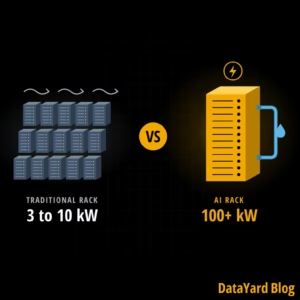
Comparing power usage between traditional data center racks which is 3-10 kW to AI data center racks typically us 100+ kW per rack.

Traditional Data Center vs. AI Data Center: What’s the Difference?

The increased use of AI has turned data centers into a regular headline, and not always with a positive connotation. This blog breaks down the difference between a traditional data center and an AI data center, from overall purpose to power and cooling, to size and cost. Plus, you will get a few quick questions to ask to help decide what your business actually needs.
Data Center Power Redundancy in the DataYard Dayton, Ohio Colocation Data Center

Data Center Power Redundancy: How DataYard’s Dayton Facility Is Built

Data center power redundancy is about more than just backup equipment. It’s how utility power, UPS systems, backup generation, and transfer systems are designed to work together. Here’s what the terminology means, what to ask a provider, and how DataYard’s Dayton, Ohio facility is built to support private cloud and colocation clients.

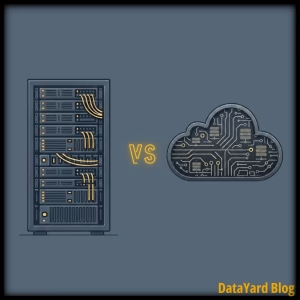
Colocation vs cloud header

Colocation vs. Cloud: How to Choose (and When to Use Both)

For years, businesses heard one message: move everything to the cloud. In practice, the decision is never that simple. The cloud is the right home for some workloads, colocation for others, and many businesses use a mix of both. This guide breaks down the differences across cost, control, security, and performance, and how to decide where your critical systems belong.

DataYard data center colocation facility in downtown Dayton, Ohio with secure server racks, redundant power, and N+1 cooling

Things to Consider When Moving Equipment to a Colocation Data Center

Moving your servers to a colocation data center lets you keep control of your hardware while often gaining a major upgrade in power, cooling, and connectivity. This guide walks through what to plan for before moving day, including equipment inventory, network and IP changes, rack layout, downtime and rollback planning, and choosing the right provider. Plus, you will get a quick migration checklist and answers to common colocation questions.

Data Center Colocation in Dayton, Ohio at DataYard

What Makes a Great Data Center? (And Why It Might Be Closer Than You Think)

In this post, we unpack what separates a real data center from a server closet and why the right facility might be at DataYard located in Dayton, Ohio. From uptime and cooling to physical security and expert support, we break down what to look for in a secure data center and why businesses choose DataYard’s Colocation Data Center. Considering colocation? Read this blog to explore what makes the right data center a smart move.

Still Hosting On-Site? Why It’s Time to Try Colocation in Ohio

In this post, we explore why more businesses are moving away from on-site server closets and toward secure, professionally managed colocation in Ohio. From cost savings and uptime to disaster recovery and flexibility, we break down the real advantages of colocation in Dayton, Ohio. Still managing servers in-house? Read this blog to find out if it’s time to make the switch.

Why Server Maintenance is So Important

Updates have become a regular part of our lives. Whether it’s your phone, your computer, your software programs, or even a gaming system, you likely receive a notification every week or

What to Look for in Colocation

With a growing need for flexibility, scalability, complexity, and power, more and more businesses are keeping their server systems off-site. While cloud servers work great for a number